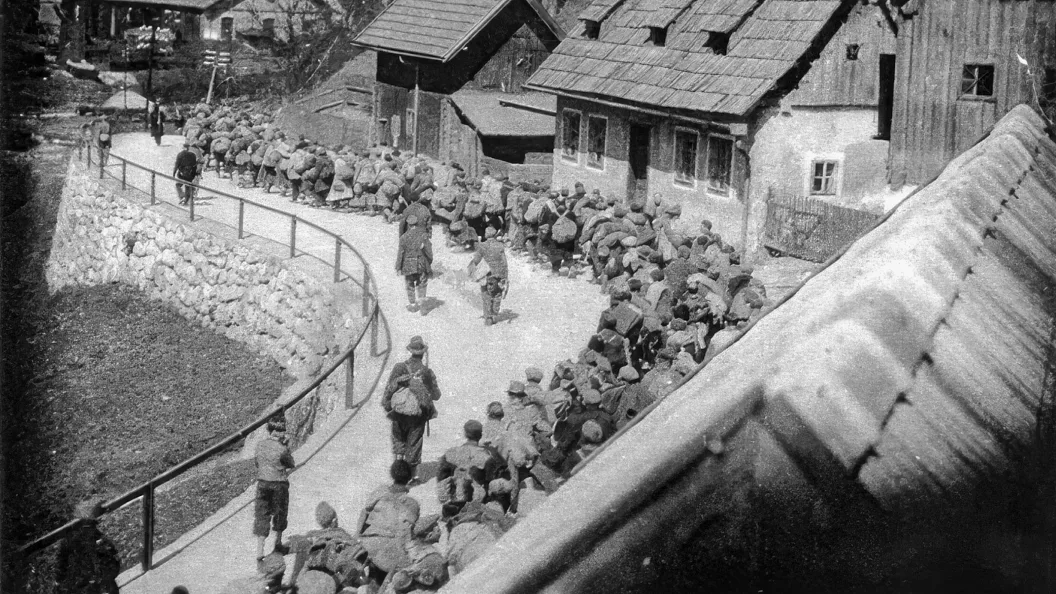
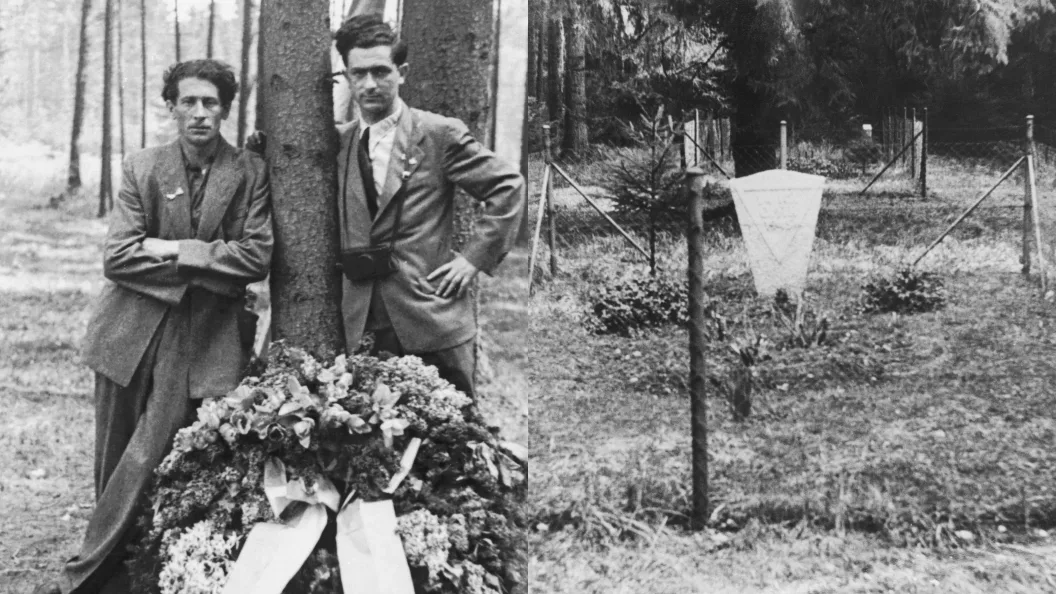
In the final weeks of the war, thousands of people were driven across Austria in death marches. The concentration camp prisoners who arrived at the Gunskirchen satellite camp in April 1945 had already suffered terrible ordeals.
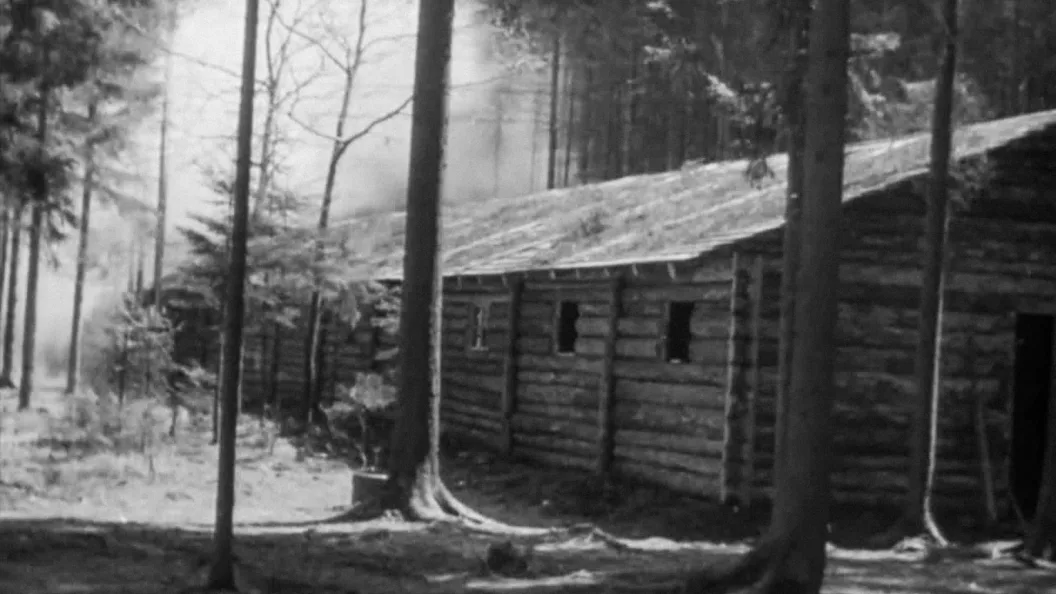
From April 1945, more than 20,000 people, almost all of them Jewish, were interned at the Gunskirchen satellite camp. The camp was not finished and was extremely crowded; there was little in the way of sanitary facilities. The conditions were absolutely appalling.
Life in Gunskirchen satellite camp was marked by inhumane conditions. Up to 200 people died every day. The camp was not a labour or death camp in the conventional sense but simply a “place to die”.
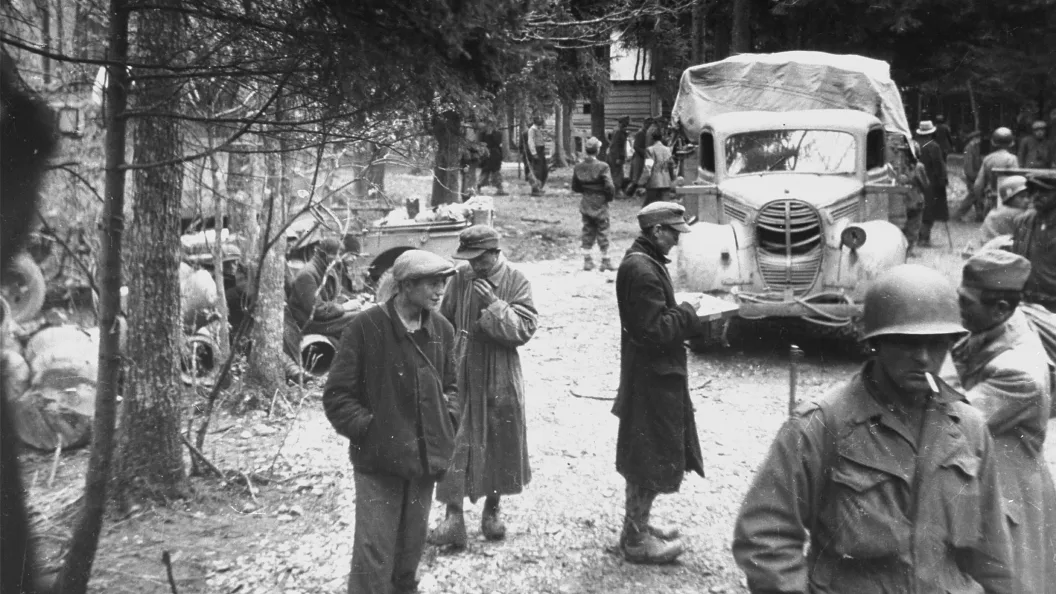
When the soldiers of the 71st Infantry Division of the Third U.S. Army reached Gunskirchen satellite camp on 4 May 1945, they found an unfathomable scene that would stay with many of them for their whole lives.
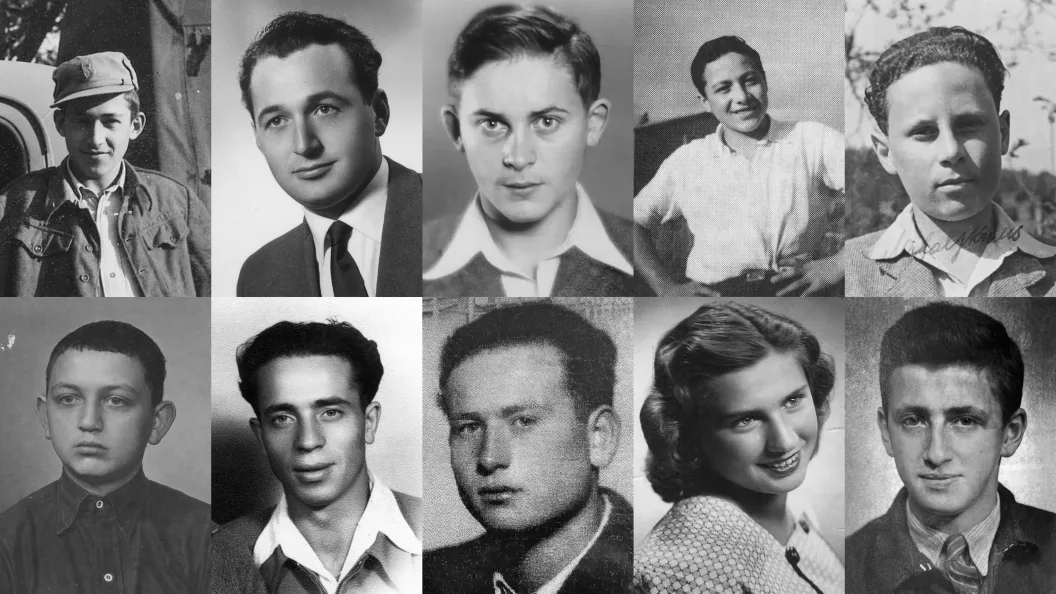
After the liberation, the traces of Gunskirchen satellite camp became less and less visible with time. But, even as early as 1945, the survivors were keen to preserve the memory of the thousands murdered there.